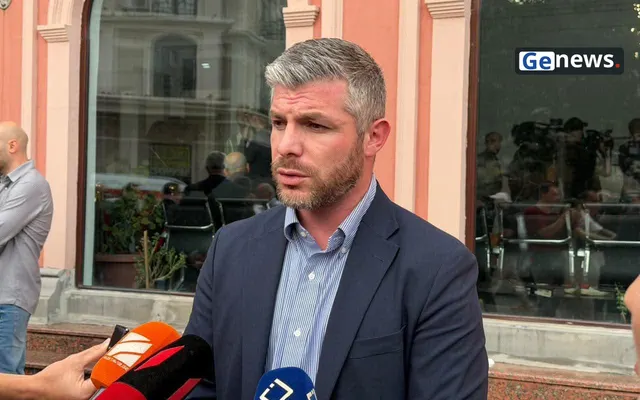
Gegelia: Zurabishvili's appointment creates a sense of capitulation
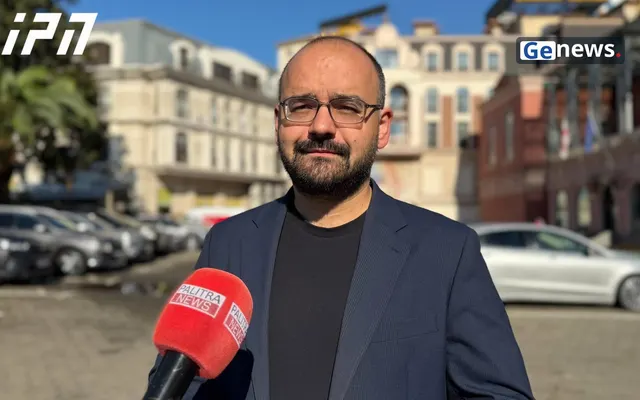
Foreign Secretary of Lelo-Strong Georgia Grigol Gegelia said that the appointment of Giorgi Zurabishvili creates only one feeling, a sense of capitulation. According to him, this is happening at a time when Georgia's strategic relations with the European Union and the US have practically collapsed, while Prime Minister Irakli Kobakhidze is focused on warming relations with Russia and pursuing a course in Batumi that pleases Russia.
According to Gegelia, both the appointment of Zurabishvili as the prime minister's special representative and the consideration of the constitutional lawsuit seeking to ban 5 parties are the execution of Russian orders.
"On the very day Kobakhidze presented Zurabishvili, he simultaneously launched this anti-constitutional lawsuit against 5 parties, which have the votes of a million Georgians. This is the execution of Russian orders in Batumi and the execution of Russian orders in Tbilisi, in full sync. At a time when Georgia's strategic relations with the European Union and the US have practically collapsed, we see that Prime Minister Kobakhidze is focused on warming relations with Russia, and therefore, here too, in Batumi, he is pursuing a course that pleases Russia. This is not my political assessment, it is a fact. Yesterday this fact was confirmed by a senior Russian official, Zatulin, who once again praised the political course pursued by Kobakhidze, just as Zakharova praises him," Gegelia said.
Irakli Kobakhidze appointed Giorgi Zurabishvili as the prime minister's special representative on relations with Russia. Konstantin Zatulin, First Deputy Chairman of the State Duma Committee on CIS Affairs and Compatriot Relations, called this step a move in the right direction.
"The decision to appoint a special representative is a step in the right direction. Relations between Russia and Georgia should exist and develop. Of course, Georgia's official position, which does not recognize the independence of Abkhazia and South Ossetia and places the blame for the existence of Abkhazia and South Ossetia not on itself, not on its own past mistakes, but on the Russian Federation, makes this more difficult," the Russian deputy said.
RELATED STORIES
Chergoleishvili: 'Federalists' Refuse to Take Part in Ivanishvili's Show at Constitutional Court
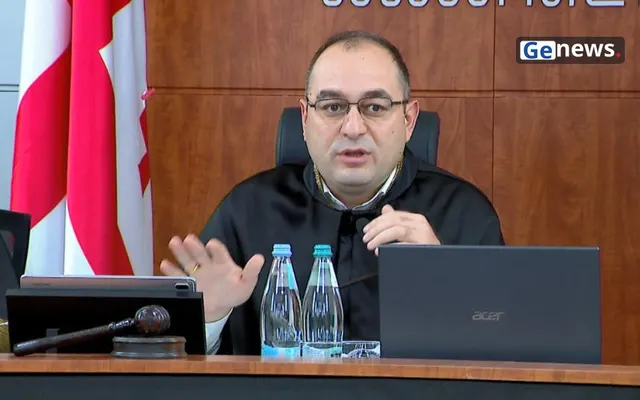
Nadaraia: Hearing on Party Case to Resume Monday at 14:00
Bochorishvili: Strong Political Dialogue Needed for Economic Results with Central Asia
Lortkipanidze: Alone, Georgia Will Be Crushed by the Russian Empire
Sikharulidze: Russia Seeks to Destroy Geneva Format Through Georgians' Hands
Oqitashvili Asks Questions About Madinaradze and Rukhadze's Contribution to 2012 Victory
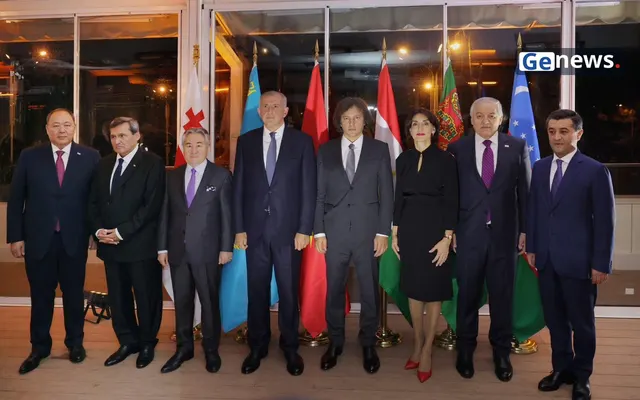
- Kobakhidze Hosts Central Asian Foreign Ministers at Official Dinner
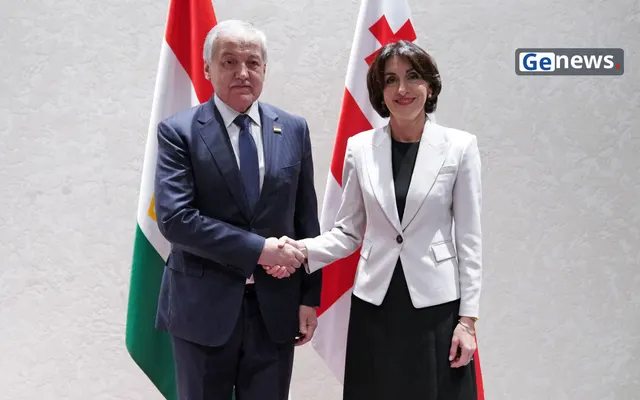
- Bochorishvili Meets Foreign Ministers of Kyrgyzstan and Tajikistan
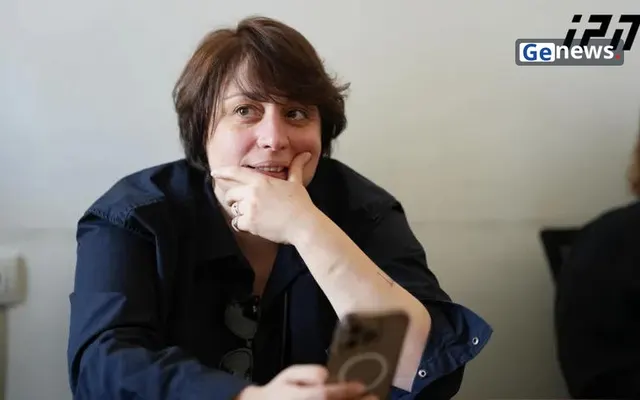
- Khoshtaria Praises Opposition for Unity Shown in Constitutional Court
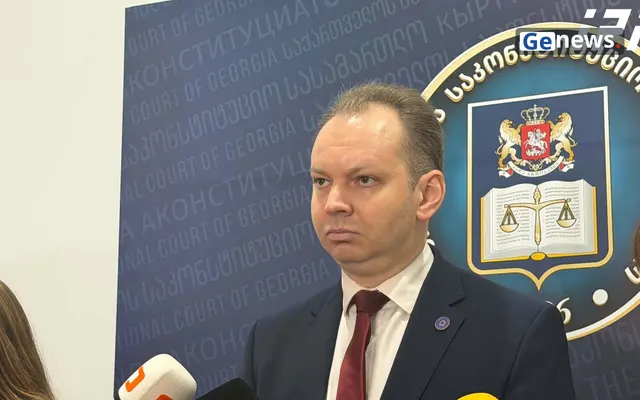
- Cheishvili: Opposition Motions Are Similar and Aim to Drag Out the Process
- Kupradze: Banning Parties Affects Up to a Million Georgian Voters
- SSG: Two Citizens Illegally Detained Near Medzhvrisskhevi Released