Abkhaz Authorities Ban Entry to Nugzar Sartania, Author of 'Broken Bridge'
A scandal has erupted in Abkhazia over the Georgian book "Broken Bridge" ("Сломанный мост"). The publication deals with the 1992-1993 war and Georgian-Abkhaz relations. The de facto State Security Service of Abkhazia has banned the book's author, Nugzar Sartania, and those who assisted in preparing and printing the publication from entering Abkhazia.
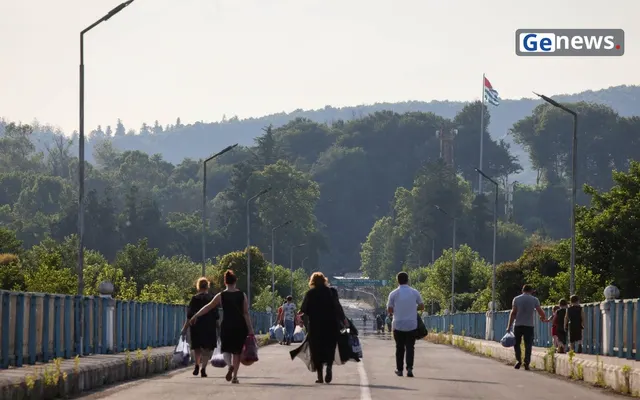
According to the de facto SSS, five copies of the book were discovered at the Enguri checkpoint on August 18. They were in a Mercedes Vito vehicle that had entered from Georgia. The car was driven by Avtandil Beraia, an employee of Enguri HPP and a resident of the village of Abaakhiti in Gali district. According to his explanation, the books were being transported at the author's request. A preventive conversation was held with Beraia. The SSS confirmed this on November 4.
The book was published in Georgia in Georgian and Russian, with a print run of 250 copies. Author Nugzar Sartania served for years as deputy director general of Enguri HPP.
According to the de facto news agency "Aiashara", the book was being distributed to young people and rural school teachers in Gali district. The agency accused the author of distorting history. In its assessment, the book mainly presents the 1992-1993 war as a confrontation between Georgia and Russia, denies the Georgian-Abkhaz character of the conflict, and places responsibility for violence against the peaceful Georgian population on the Abkhaz side. The agency describes this interpretation as ideological propaganda.
The de facto SSS also assessed the content of the book and stated that the publication contains incorrect information about the war, presents the Russian military presence in Abkhazia negatively, and speaks of restoring Georgian-Abkhaz relations.
The story has drawn a sharp reaction on social media. Some users demand the confiscation and destruction of the entire print run, as well as criminal prosecution. Comments have also called for restrictions on and deportation of Gali district residents.
RELATED STORIES
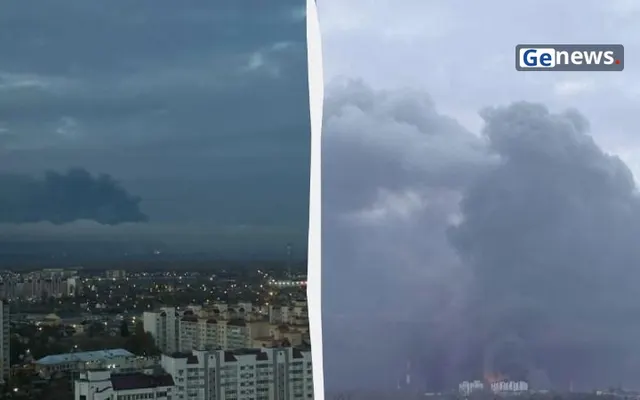
Ukrainian Media: Massive Fire Breaks Out at Saratov Oil Refinery After Drone Attack
Zelensky: Russia launched 172 drones and 36 ballistic missiles toward Kyiv overnight
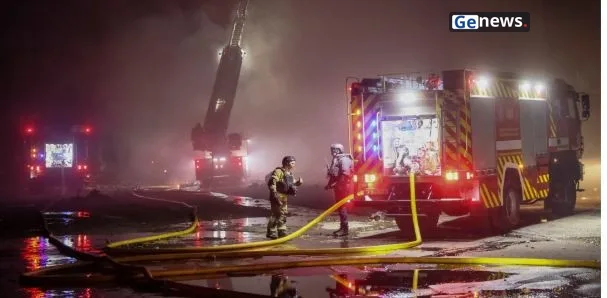
Northern Bridge in Kyiv Damaged in Russian Attack, Traffic Blocked

Trump: US Destroyed Iranian Air Defense System on Qeshm in 15 Minutes, Possibly 5
Zelensky: We Do Not Want 'Yalta-2', European-Russian Security Architecture Is Dangerous for the EU
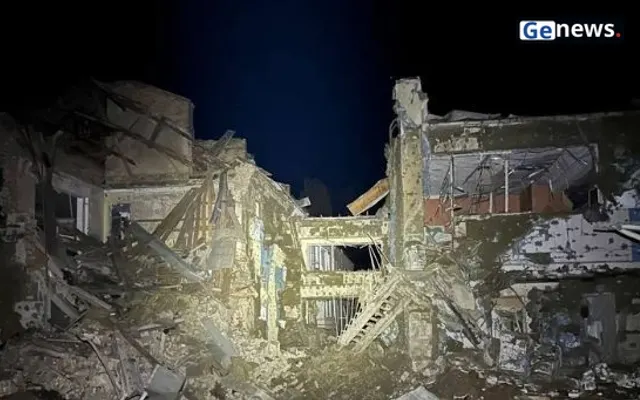
Three People Injured, Including Child, in Russian Attack on Kyiv
- Financial Times: Putin Demands Control of Donetsk and Luhansk as Ceasefire Condition and Threatens Ukraine's Infrastructure

- Zelensky: Operation Against Russia's Oil Refining Industry Continues
- Kushner: US Trilateral Talks With Ukraine and Russia to Be Held in Abu Dhabi

- Zelensky: Russian Army Lost 54,400 Killed or Badly Wounded in October
- Zelensky: Panzir-S2 and S-400 Command Vehicle Hit in Rostov Region, Losses Put at $70 Million
- Zelensky: Russia Used 1,940 Drones and 44 Missiles Against Ukraine in a Week