Final Conference of Micro-GEAR Project Opens at GTU: 16 Institutions from 6 Countries Worked on Micro-Certification

The final conference of the Micro-GEAR project, an Erasmus+ programme project of the European Union, opened at the Georgian Technical University. The project is titled "Introducing Micro-Credentials in the Higher Education Systems of Georgia and Armenia: A Beacon for the South Caucasus". The three-year project started in January 2024 and involves 16 institutions from 6 countries. GTU is the leading organisation of the consortium and the project coordinator.
Partners and beneficiaries of the project include the Ministry of Education, Science and Youth of Georgia, the Ministry of Education and Science of Armenia, the national quality development centres of both countries, universities and research centres. From Europe, the University of Saarland in Germany, the Carlos III University of Madrid in Spain, the European University Angelo Mercone in Rome, Italy, the Italian association CIMEA and the German consulting company GIRAF PM e.K. are also involved.
The conference was opened by Professor Taliko Zhvania, Dean of the Faculty of Computer Science and Management Systems of GTU. According to her, Micro-GEAR is an initiative of particular importance in terms of modernising the higher education systems of Georgia and Armenia, bringing them closer to the European Higher Education Area and introducing modern approaches.
Zhvania said: "The introduction of micro-credentials is one of the important directions of modern higher education. It responds to the rapidly changing demands of the labour market, supports the development of lifelong learning, and creates an opportunity for people to renew their knowledge, acquire new competences and raise their professional qualifications throughout their lives."
One of the main goals of the project is to create the institutional, methodological and regulatory foundations necessary for introducing micro-credentials as a flexible and competence-oriented mechanism. A micro-credential is a document confirming knowledge and skills achieved by completing a specific training course, module or short-term programme. Unlike traditional academic qualifications, it is relatively small in volume and focused on clearly defined learning outcomes.
Professor Zaza Tsiramua, project manager, head of the Computer Network Management Department of GTU and coordinator of the Cisco Academy, said that the project is based on the recommendations of the Council of the European Union. According to him, the implementation aims to update the national qualifications frameworks of Georgia and Armenia, develop common principles for quality assurance, recognition and accumulation of micro-credentials, as well as develop mechanisms for their issuance and mutual recognition.
Over the three years, particular attention was paid to studying the educational environment, legislative and institutional frameworks, quality assurance mechanisms and the needs for micro-certification in partner countries. The partners also worked on forming common approaches and strengthening the capacities of higher education institutions. The project includes sharing international experience, supporting the development of educational programmes, developing the practice of recognising micro-credentials, and strengthening the competences of academic and administrative staff.
At the conference, the partners will discuss the main results, the progress achieved, the experience of partner organisations and the prospects for further development of the micro-certification system. Particular attention will be paid to the practical application of the approaches developed, the prospects for establishing micro-credentials in Georgia and Armenia, and the sustainability of the results.
RELATED STORIES

Two Brothers Shot Dead With Firearm in Lambalo Village

Maria Ressa Cites Mzia Amaghlobeli Case as Example of Resisting Dictators in New Book
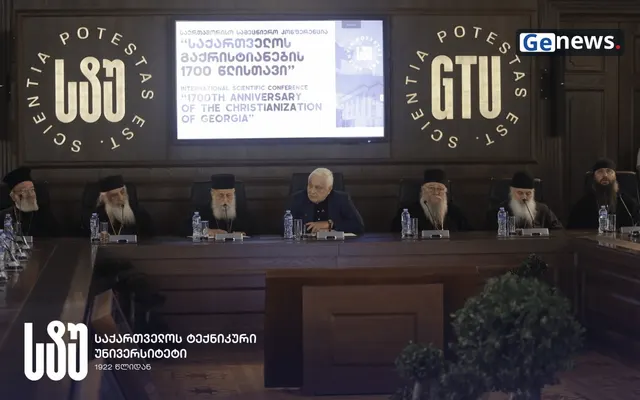
32 research topics discussed at TU conference marking 1700th anniversary of Christianization
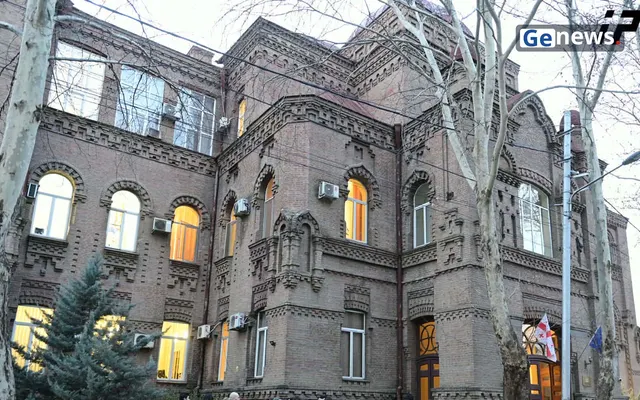
Education Ministry Does Not Confirm Plan to Dismantle Vekua School 42

Man Convicted of Violence Against Wife and Child in Telavi Arrested in Zestaponi
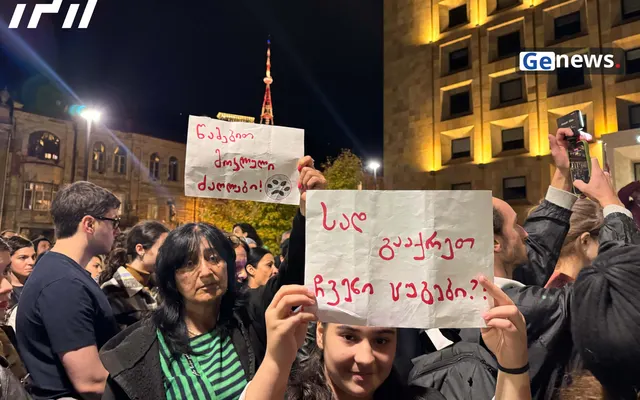
Animal Rights Defenders Rally Outside Government Administration, Plan Repeat Protest on November 8
- Interior Ministry launches criminal probe over footage of dog burial site

- Animal Advocates Ask Prosecutor's Office to Investigate Dog Burials at Veli Cemetery

- School 21 parents and teachers: actual condition of building not established by measurement in any conclusion

- Migration Department Detains 61 Foreigners Illegally Staying in Georgia

- Lutherans and Protestants to Celebrate Reformation Day on October 31

- Ioseliani on Gambling: Do We Want Georgia to Become Known for This?