Public Defender Welcomes Changes to Procedure for Involuntary Psychiatric Treatment
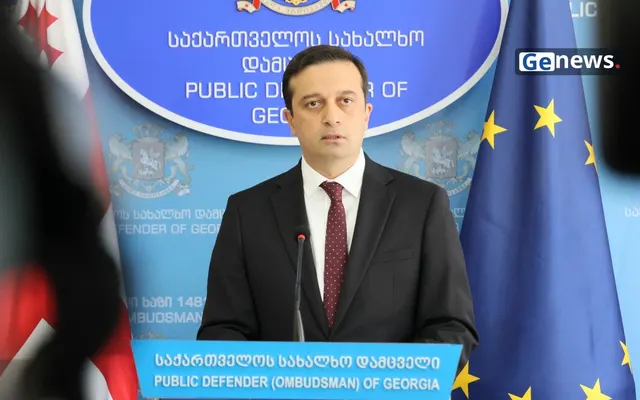
The Public Defender welcomes the changes made to the procedure for involuntary psychiatric treatment. Parliament introduced the amendments to the law on an expedited basis on October 28.
Deputies of Georgian Dream said the changes were made due to a decision of the Constitutional Court. On April 30, 2026, the court upheld the Public Defender's lawsuit, which challenged the grounds for involuntary psychiatric treatment, the court's authority to order such treatment, and the duration of treatment.
The Public Defender expresses hope that the introduction of additional mechanisms for regular review of the grounds for continuing treatment and for judicial oversight will help prevent unjustified prolongation of treatment and ensure proper protection of patients' rights.
The amendments were introduced into the Law on Mental Health, as well as the Criminal Procedure Code and the Administrative Procedure Code. Under current legislation, a criminal court judge orders involuntary psychiatric treatment for a maximum of four years.
Under the new procedure, a special commission of the psychiatric institution will review and examine, once every two months from the date treatment is ordered, whether the grounds on which involuntary treatment was ordered still exist. The commission's decision will be appealable through administrative procedure in cases of both involuntary and non-voluntary psychiatric treatment.
Once every six months from the date treatment is ordered, the administration of the psychiatric institution will send the commission's decision, together with the documentation, to the court. The court will examine whether the grounds on which the person was subjected to treatment still exist.
The treating physician will still have the authority to apply to the commission at any time if they believe the patient has recovered ahead of schedule.
RELATED STORIES

Civil Organizations Call for Repeal of Law on Betting Tournaments
Krechetov: Georgian Delegation to Attend Patriarch Kirill's 80th Birthday Celebration

International Guide "3S" on Migrant Children Co-Authored by Lela Goginava Published
Women's Rights Organizations Protest Abolition of Gender Department in Public Defender's Office
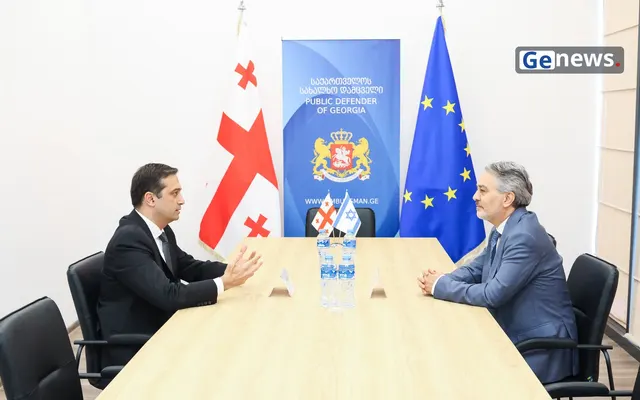
Public Defender Levan Ioseliani Meets Israeli Ambassador Walid Abu Haya
Religion Agency Holds Training for Students on Religious Neutrality and Secularism
- Conference on Economic Development Models Held at GTU with More Than 160 Scientists
- Kaveladze Attends Universal Baptism in Skhalta Eparchy

- Papuashvili Attends Mass Baptism in Adjara

- Armenian Apostolic Church to Celebrate Feast of the Finding of the True Cross

- Catholicos-Patriarch Baptizes About 1,500 People at Universal Baptism in Khichauri
- Man Suspected of Killing Wife in Poti