Armenia Tightens Residency Rules and Raises Fees from November 1
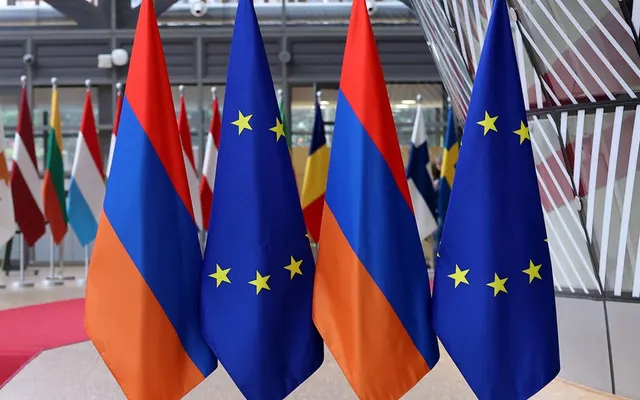
The Armenian Ministry of Internal Affairs said that from November 1, the process of obtaining residency status in the country will move to a digital format, and state fees related to residency will also change. From November, the ministry will also begin issuing new biometric identity documents. The changes are being made against the backdrop of ongoing negotiations with the European Union on visa liberalization.
On October 6, European Commissioner for Enlargement Marta Kos said that Armenia is moving towards Europe. According to her, Armenia is the only country with which the European Union is negotiating on visa liberalization.
The fee for temporary residency status will rise from 105,000 drams (approximately $300) to 150,000 drams ($420). The fee for permanent residency will increase from 140,000 drams ($390) to 250,000 drams ($700). According to the ministry, the changes are due to the introduction of a new biometric system, the modernization of services for foreigners, and the need to increase administrative efficiency.
The ministry has also introduced new fees: issuing a certificate confirming a person's legal residence in the country will cost 30,000 drams ($80), and an application for a work visa will cost 15,000 drams ($40). Until now, both services were free of charge. If a residency application is rejected, the fee paid will not be refunded.
Under the new procedure, persons submitting documents electronically will also be required to provide documents confirming financial security. It will no longer be possible to receive a five-year residence permit directly: applicants will initially be granted a one-year permit, and they will be able to apply for a five-year permit after three years of continuous residence in the country.
In recent years, Armenia has received several waves of immigration. Citizens of Russia and Ukraine arrived in the country after Russia's full-scale invasion of Ukraine, Iranians arrived amid the Iran-US war, as well as Indian migrants, who were attracted by the relatively simple residency procedure and the absence of specific financial requirements.
From November, Armenia will issue new biometric passports and identity cards. The cost of a new passport that meets EU standards will rise from 25,000 drams ($70) to 28,650 drams ($80), and its validity period will be 10 years. According to the Armenian government, the new passports will improve document security, simplify border crossing, and facilitate the free movement of citizens. This change is part of the visa liberalization process with the European Union, which has been underway since September 2024.
The European Union asks countries to meet certain criteria before visa-free travel to the Schengen Zone. Georgia, Moldova and Ukraine had to fulfil four blocks of requirements: border management, migration and asylum, public order and security, and foreign relations and fundamental rights.
The Ministry of Internal Affairs is also considering introducing additional requirements for ethnic Armenians in new citizenship regulations. At the August briefing, Deputy Minister of Internal Affairs Armen Ghazaryan said that currently there are "practically no requirements for representatives of the Armenian diaspora to obtain citizenship." According to him, current migration flows and citizenship applications show that representatives of the diaspora mainly use Armenian passports as a travel document when a crisis situation arises in their country of residence.
Source: Publika