GYLA Lawyer Calls on Prison Service to Publish Camera Footage
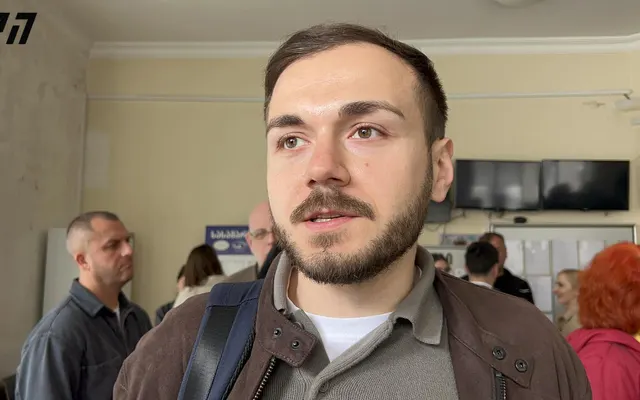
Lawyer Jumber Katamadze of the Georgian Young Lawyers' Association (GYLA) accuses the Special Penitentiary Service of lying and calls on it to publish surveillance camera footage. He spread the statement on social media.
According to Katamadze, not a single employee of the service checked the content of the recordings made, so it is unclear on what basis they claim that the lawyer's recordings constituted correspondence.
The lawyer writes: "In the space where the events took place, many surveillance cameras were installed, access to which is held only by them. I call on them to publish (at the very least, not to delete) the camera recordings that will confirm the truth."
According to him, he recorded information provided by a protected person held in the penitentiary facility for the purpose of further legal response. Katamadze believes that its restriction by the state constitutes interference in the lawyer's activities and a gross violation of the convicted person's right to defense.
GYLA earlier stated that the lawyer was not allowed to take out a recording made during a meeting with prisoner Giorgi Davitadze. The organization therefore calls for a response from the Public Defender, the Bar Association and the Prosecutor's Office.
The Special Penitentiary Service described GYLA's statement as groundless. According to the agency, under Article 115 of the Penitentiary Code, an accused or convicted person has the right to send and receive letters without limit, while under part 6 of the same article, correspondence is inspected. Inspection means visual examination without reviewing the content. In extreme cases, when there is a well-founded assumption that information threatening public order, security or the rights and freedoms of others may be disseminated, an employee has the right to restrict familiarization with the content and its sending to the addressee.
The service also refers to Article 95: an accused or convicted person has the right to meet a lawyer without interference. According to the agency, no norm of law grants a lawyer the right to take any kind of records out of the facility after a meeting. The service states that it provides accused persons and lawyers with the opportunity to send correspondence through the facility, and that all active lawyers are informed about these norms.
Source: Interpressnews