SJC: Opposition Not Given Adequate Opportunity to Present Evidence in Party Ban Case
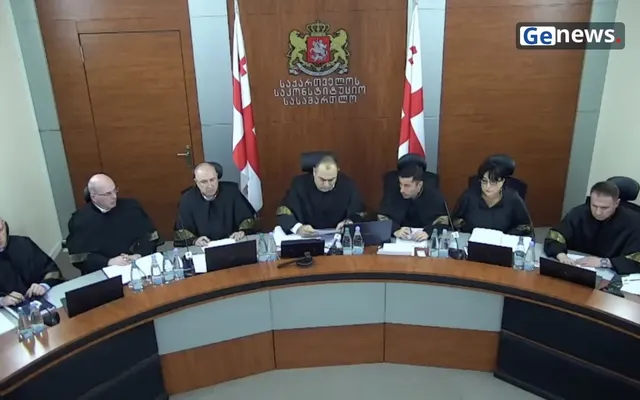
According to the Social Justice Center (SJC), the shortcomings identified at the first stage of the Constitutional Court's hearing of the case to ban five opposition parties raise significant questions regarding fairness of the process and the protection of political pluralism.
The organization considers problematic the lack of substantiation in the Georgian Dream deputies' lawsuit, the absence of clear procedural rules for examining evidence, and the dismissal of the majority of motions filed by the defendant parties.
According to SJC, the lawsuit does not show which specific action is attributed to which party and which charge is directed at whom. In the organization's assessment, describing actions taken in the past by one political entity cannot justify the ban of another party created later, unless a specific factual and legal link between them is shown.
During the consideration of motions on October 21-23, the defendant parties requested the subpoena of additional evidence and the questioning of relevant witnesses, including former leaders of the parties. According to SJC, the court did not grant the absolute majority of the motions, as a result of which the parties were practically not given the opportunity to present additional information and evidence. "This raises major questions regarding ensuring equality of the parties, even in the conditions of an inquisitorial process," SJC states.
The organization considers one of the main problems to be the admission as evidence of the conclusion of the temporary investigative commission of Parliament. This conclusion is the main evidence of the plaintiffs. The defendant parties sought its removal and argued that the document did not rest on adequate evidentiary standards and contained assessments of crimes and criminals that the commission had no authority to make without court decisions and verdicts.
According to SJC, there are several problems related to the legitimacy of the commission: its composition did not meet the constitutional requirement of opposition representation, its mandate exceeded the limits set by the regulations, and assessments of crime cannot replace a court decision. The Constitutional Court left the conclusion in the case file and did not grant motions to question witnesses who could provide additional information on the facts indicated in the lawsuit.
The organization also considers the standard for assessing evidence problematic. The court explained to the parties that it would apply the standard of "clear and convincing" evidence when establishing facts. According to SJC's assessment, this is not sufficient, because the case on banning a party differs from impeachment: here the final decision is made by the court itself, and it is precisely that decision that leads to the ban.
Based on the case law of the European Court of Human Rights, SJC writes that the dissolution of a party is permissible only in the presence of "particularly convincing and weighty reasons". The court must assess whether there is a real and sufficiently immediate threat to the democratic order, whether it is linked to the activities of the specific party, and whether the ban is necessary and proportionate.
According to SJC, the first lawsuit seeking the ban of parties was registered on October 31, 2025, the second on April 21, 2026, and the current, third lawsuit on September 24, 2026. The first two lawsuits were withdrawn by Georgian Dream parliamentarians themselves, while their legal justification remained essentially unchanged. In the organization's assessment, the issue of starting substantive consideration in the previous two cases was not decided for a long time, while the procedures for accepting the current lawsuit took place during a period of changes in the court's composition.
SJC recalls the case of Judge Manana Kobakhidze: on October 12 it became known that she had requested recusal from hearing the party ban case, but the court did not grant the motion. The following day, Kobakhidze's powers as a judge were terminated early on the basis of her personal statement. In the organization's assessment, the sequence of these events raises additional questions about the court's independence and impartiality.
SJC believes that the procedural shortcomings threaten equality of the parties and the possibility of effective defense. According to the organization's statement, the Constitutional Court must ensure an individual assessment of each party, supported by evidence, and must uphold the strict standards established for banning parties. "Otherwise, the court itself will contribute to the most aggressive process of autocratic consolidation and the destruction of the democratic environment in the country," the organization writes.
RELATED STORIES

Kobakhidze Meets Kwasniewski: Opioid Substitution Therapy Benefits 14,000 Patients
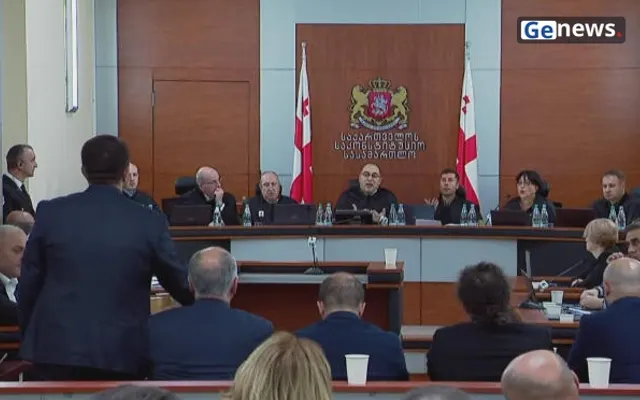
Constitutional Court to resume hearing on party case tomorrow at 11:00

Protesters Shout "Slaves" at Georgian Dream Members Outside Constitutional Court

Cheishvili: Opposition Insulted Hundreds and Thousands of Citizens

Artkmeladze: Banning Parties Will Destroy in One Stroke What Was Built Over 35 Years

Faruliava: Gambling Business Is a Leading Business That the Ruling Party Gives a Green Light To
- Kipiani: Lawsuit Has Revived Ratings of Parties Named for Ban

- Gorduladze: Parties Named in Lawsuit Tried to Change Government by Force Six Times in 2019-2025
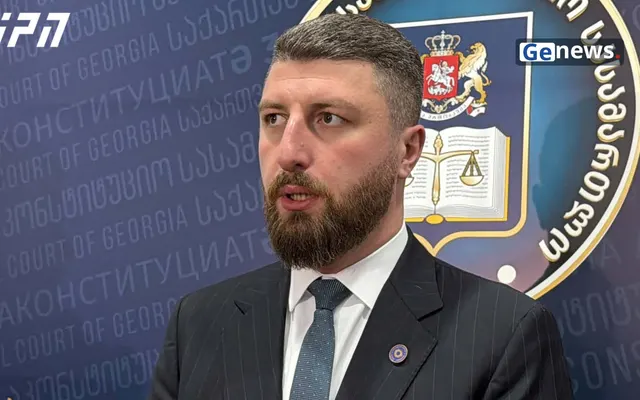
- Lemonjava at Constitutional Court: Non-Recognition of Elections Is Not Overthrow of Constitutional Order

- Gvaramia at Constitutional Court: We Are Going Back to Where Gamsakhurdia Pulled Us Out Of

- Butikashvili: Banning Parties Will End Georgia's Existence as a Democratic Country

- Gotsiridze: Agreement Signed with Azerbaijan Does Not Allow Gas Tariffs to Be Maintained